What is Seed Cycling?
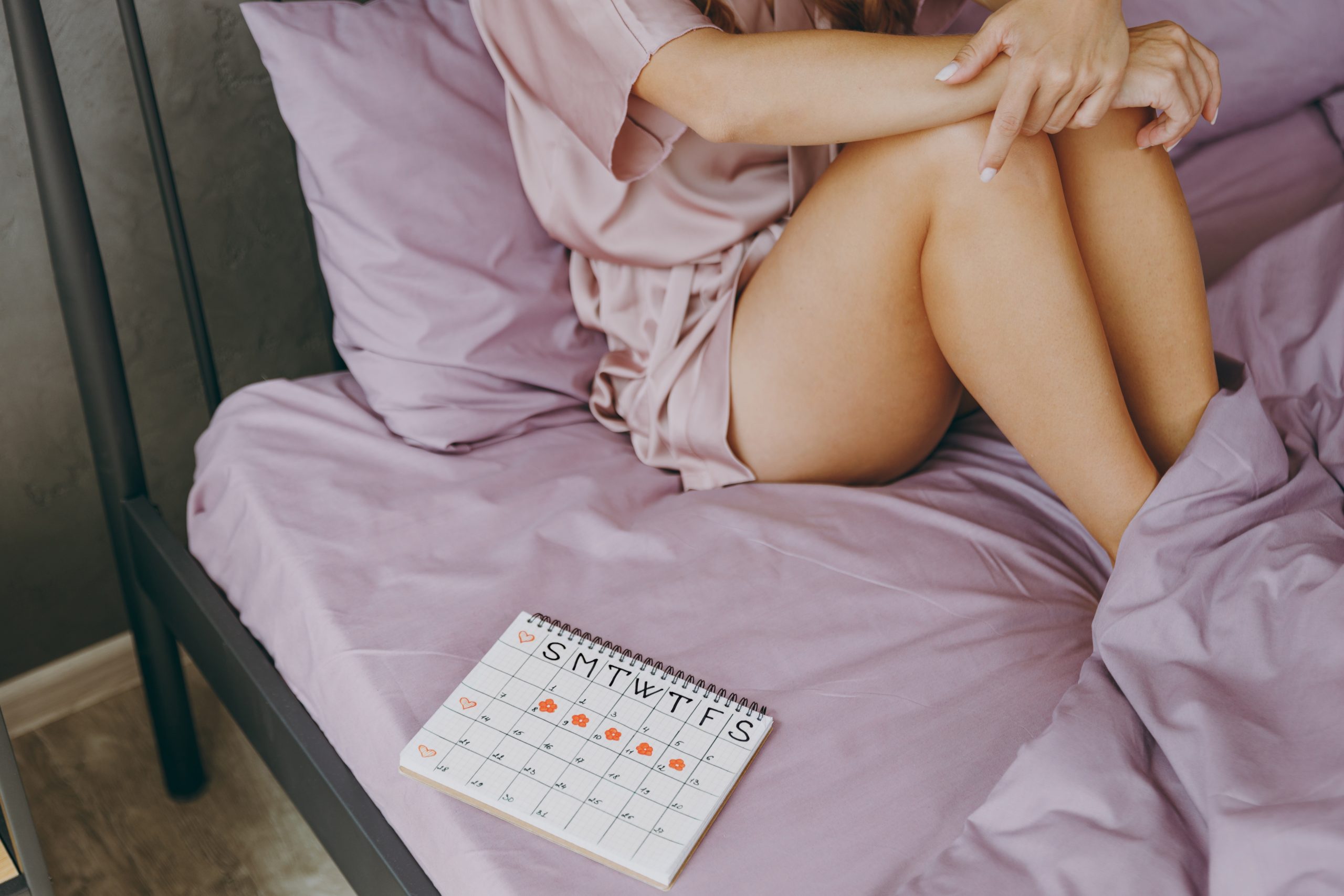
Seed cycling is a natural approach to balancing hormones by consuming specific seeds at different phases of the menstrual cycle. The practice is based on the idea that certain seeds provide key nutrients, lignans, and essential fatty acids that support estrogen and progesterone production, helping to regulate cycles, ease PMS, and improve fertility.
- Follicular Phase (Days 1–14) → Flaxseeds + Pumpkin seeds to support estrogen balance.
- Luteal Phase (Days 15–28) → Sesame seeds + Sunflower seeds to support progesterone balance.
Origin of Seed Cycling
The exact origins of seed cycling are unclear, but the practice is rooted in traditional medicine, naturopathy, and holistic nutrition. While there is no direct historical record of seed cycling as we know it today, many ancient cultures recognised the importance of seeds and food-based medicine in hormonal health.
🔹 Traditional Chinese Medicine – Emphasises the role of food as medicine and balancing yin (estrogen) and yang (progesterone) for optimal health.
🔹 Ayurveda (Ancient Indian Medicine) – Uses seeds, herbs, and spices to balance doshas (body energies) and support reproductive health.
🔹 Naturopathic Medicine – Modern naturopathy and functional, irregular cycles, and pre-menstrual syndrome (PMS).
While scientific research on seed cycling is limited, the nutritional properties of these seeds—including their effects on estrogen metabolism, inflammation, and hormone regulation—are well-documented. Many holistic practitioners and nutritionists recommend seed cycling as a gentle, food-based approach to reproductive health.
How Does Seed Cycling Work?
🌱 Phase 1: Follicular Phase (Days 1–14)
The first day of your period is considered day 1 of seed cycling. During this phase, the focus is on estrogen support to promote ovulation. You should eat:
✔ 1 tablespoon of ground flaxseeds
✔ 1 tablespoon of ground pumpkin seeds
Benefits:
- Flaxseeds contain phytoestrogens that help balance estrogen levels while also aiding in its metabolism and removal.
- Lignans in flaxseeds support healthy estrogen processing for hormonal stability.
- Pumpkin seeds are rich in zinc and antioxidants, which support progesterone production for the next phase.
- Zinc also plays a role in maintaining healthy testosterone levels, which naturally increase before ovulation to boost fertility and libido.
🌻 Phase 2: Luteal Phase (Days 15–28)
Starting right after ovulation, seed cycling shifts to support progesterone production, which is essential for a healthy cycle. You should eat:
✔ 1 tablespoon of ground sunflower seeds
✔ 1 tablespoon of ground sesame seeds
Benefits:
- Sunflower seeds are high in vitamin E, zinc, and selenium, which help the liver metabolise excess estrogen and support progesterone levels.
- Sesame seeds contain lignans that assist in regulating estrogen levels as progesterone rises.
- These seeds also support heart health, hormone balance, and inflammation reduction, making them beneficial even after menopause.
- Magnesium in sunflower seeds helps ease period cramps, while calcium may reduce PMS-related mood symptoms.
- Vitamin E, found in sunflower seeds, has been shown to improve PMS symptoms and may even support male fertility.
Why Try Seed Cycling?
By incorporating these nutrient-rich seeds into your diet, you can naturally:
- Balance estrogen and progesterone levels
- Regulate menstrual cycles and improve ovulation
- Reduce PMS symptoms like cramps, bloating, and mood swings
- Support fertility and reproductive health
- Enhance post-menopausal hormone balance
🔹 While scientific studies on seed cycling itself are limited, research supports the benefits of the individual seeds for hormone balance, estrogen metabolism, and menstrual health.
🔹 Seed cycling is a low-risk, natural way to support hormone balance, particularly for those with irregular cycles, PMS, or fertility concerns.
How to Add Seeds to Your Diet
To get the best benefits, grind the seeds fresh daily and add them to:
🥤 Smoothies
🥗 Salads
🍲 Soups
🥣 Oatmeal or yogurt
Potential Side Effects and Considerations
While seed cycling is a natural and generally safe practice, there are a few considerations to keep in mind:
- Slow Hormonal Changes – Since seed cycling works with the body’s natural hormone rhythms, it may take at least 3 to 4 months to notice changes in cycle regularity or PMS symptoms.
- Allergies or Sensitivities – Some people may be allergic to certain seeds. If you experience bloating, digestive discomfort, or skin reactions, consider alternative sources of similar nutrients.
- Hormonal Conditions – If you have conditions like PCOS, endometriosis, or estrogen dominance, seed cycling may offer benefits, but results can vary. Always consult a healthcare professional for personalised guidance.
- Quality of Seeds – For maximum benefit, use organic, raw, and freshly ground seeds to preserve their nutrients. Avoid heavily processed or salted seeds.
- Dietary Balance – Seed cycling should complement an overall balanced diet rich in whole foods, not replace other essential nutrients needed for hormone health.
Frequently Asked Questions (FAQs)
- How long does it take to see results with seed cycling?
Results vary, but most people notice improvements in hormone balance, cycle regularity, and PMS symptoms within 3 to 6 months. - Can I do seed cycling if I have irregular periods?
Yes! Seed cycling may help regulate menstrual cycles over time by supporting hormonal balance. If your cycle is highly irregular, follow the standard 28-day cycle or track ovulation signs. - What if I’m menopausal?
Even without a menstrual cycle, seed cycling can still support hormone balance, inflammation reduction, and heart health. Simply follow a 28-day cycle. - Can seed cycling help with fertility?
Seed cycling provides nutrients that support egg quality, ovulation, and progesterone levels, making it a beneficial practice for those trying to conceive. - Can I still eat other seeds while seed cycling?
Yes! While seed cycling focuses on specific seeds at different phases, incorporating chia seeds, hemp seeds, and nutsis still beneficial for overall health.
Final Thoughts: Is Seed Cycling Right for You?
Seed cycling is a simple, food-based approach to hormone balance that many women find beneficial for PMS, irregular cycles, fertility, and overall well-being. While direct scientific studies on seed cycling itself are limited, the nutrients in flaxseeds, pumpkin seeds, sesame seeds, and sunflower seeds have well-documented benefits for hormone health.
- Low-risk and easy to implement
- Supports estrogen and progesterone balance naturally
- May improve cycle regularity and reduce PMS symptoms
- Can be a helpful tool for fertility and menopause
If you’re looking for a natural, gentle way to support your hormonal health, seed cycling is worth trying. Pair it with a nutrient-rich diet, stress management, and lifestyle adjustments for the best results.
📌 Have you tried seed cycling? Let us know your experience in the comments!
References
Haidari, F., Banaei-Jahromi, N., Zakerkish, M. and Ahmadi, K., 2020. The effects of flaxseed supplementation on metabolic status in women with polycystic ovary syndrome: a randomized open-labeled controlled clinical trial. Nutrition journal, 19, pp.1-11.
Maham Zafar a, Roshina Rabail a, Sadia Bibi b, Ali Jebreen c, Muhammad Asif Khan d, Rana Muhammad Aadil ., 2024. Seed cycling: Approach for polycystic ovarian syndrome.
Shalaby, M.A., Ghandour, R.A. and Emam, S.R., 2022. Coadministration of ginger roots extract and vitamin E improves male fertility of streptozotocin-induced diabetic rats.
Zafar, M., Rabail, R., Bibi, S., Jebreen, A., Khan, M.A. and Aadil, R.M., 2024. Seed Cycling: Approach for Polycystic Ovarian Syndrome. Food and Humanity, p.100274.