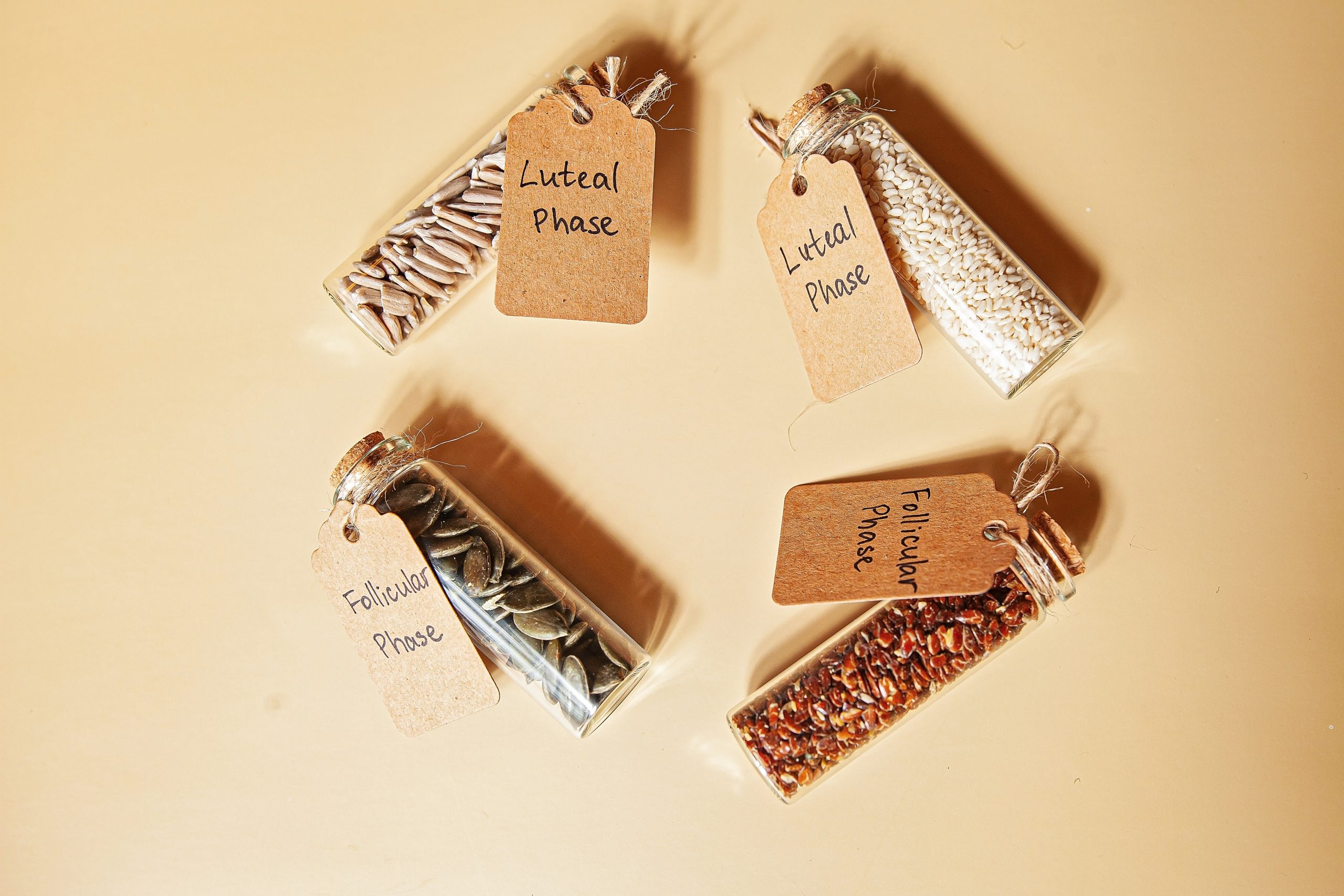
Understanding your menstrual cycle is one of the most empowering things you can do for your health, whether you’re trying to conceive, avoid pregnancy naturally, or simply want to feel more in tune with your body.
But many of us grew up hearing half-truths, confusing explanations, or myths that don’t reflect how the menstrual cycle actually works. These misunderstandings can leave us feeling disconnected from what’s really happening in our bodies, especially when it comes to fertility.
Let’s take a closer look at three of the most common myths about the menstrual cycle, and what’s actually true.
Myth 1: Ovulation Always Happens on Day 14
You’ve probably heard that ovulation happens on Day 14 of a 28-day cycle. This idea is everywhere, from school textbooks to period tracking apps.
But the reality is, not every woman has a 28-day cycle, and ovulation doesn’t always happen on Day 14.
The menstrual cycle is made up of two main phases:
-
The follicular phase (from the first day of your period to ovulation)
-
The luteal phase (from ovulation to the start of your next period)
While the luteal phase is usually fairly consistent (around 12–14 days), the follicular phase can vary quite a bit. That means the day you ovulate can shift, even if your cycles feel “regular.”
For example, one month you might ovulate on Day 12, and the next on Day 17. Factors like stress, travel, illness, or changes in sleep and nutrition can all influence ovulation timing.
This is why counting days alone isn’t the most reliable way to know when you’re ovulating , especially if you’re trying to conceive.
Instead, it’s helpful to look at your body’s signs of fertility, like:
-
Changes in cervical mucus
-
Shifts in basal body temperature
-
Ovulation test strips
Each of these offers a more accurate picture of when ovulation is actually happening for you.
Myth 2: A Regular Period Means You’re Ovulating
It’s easy to assume that if your period comes every month, your hormones are working as they should and you’re ovulating regularly.
But that’s not always the case.
Sometimes the body can have a bleed that looks like a period , but it wasn’t preceded by ovulation. This is known as an anovulatory cycle. It can happen occasionally without meaning anything is wrong, but if it’s happening often, it can affect fertility and may be a sign that something in your hormonal system needs support.
Anovulatory cycles are more common:
-
After coming off hormonal contraception
-
During the postpartum period
-
In perimenopause
-
In people with PCOS, underactive thyroid, or high stress
-
When the body isn’t getting enough energy (from under-eating, overtraining, or illness)
So while regular bleeding is a good sign that the body is cycling, it doesn’t guarantee that ovulation is happening. And since ovulation is essential for fertility, this is an important distinction.
Learning how to observe the signs of ovulation , such as fertile cervical mucus or a temperature shift, can give you clearer insight into your cycle.
Myth 3: You Can’t Get Pregnant During Your Period
This is a common belief, and while the chances of getting pregnant from sex during your period are low, it’s not impossible.
Here’s why: sperm can survive inside the reproductive tract for up to 5 days under the right conditions. If you have a shorter cycle and ovulate soon after your period ends, it’s possible that sperm from period sex could still be present when the egg is released.
Let’s say you ovulate on Day 10, and you had sex on Day 5 (still bleeding or just finishing your period). The sperm may still be viable, making conception possible.
This isn’t very common, but it can happen, especially in people whose cycles are shorter or less predictable.
If you’re actively trying to conceive, it’s helpful to be aware that your fertile window may begin earlier than expected. And if you’re trying to avoid pregnancy naturally, understanding this possibility is an important part of fertility awareness.
Why These Myths Matter
When we’re taught simplified or outdated ideas about our cycles, it becomes harder to feel confident in our bodies or to make informed choices about fertility.
And for many women, especially those trying to conceive, this can lead to unnecessary confusion, stress, or even feelings of failure when things don’t happen as expected.
Understanding the truth about your cycle offers something very valuable:
-
You can recognise the signs of ovulation and fertility
-
You can better support your hormones and overall well-being
-
You can feel more in control and less anxious, whether you’re trying to conceive or avoid pregnancy
-
You can work with your body, rather than feeling like it’s working against you
Conclusion
Your cycle is more than just a period. It’s a reflection of your health, your environment, your nourishment, and your nervous system. It’s dynamic, responsive, and wise.
If you’re on a fertility journey, or even just starting to tune into your cycle for the first time , you don’t have to figure it all out alone.
There are ways to observe and support your cycle gently, using tools like charting, nutrition, and lifestyle adjustments. And there’s space for compassion, curiosity, and rest along the way.
If you’d like help understanding your cycle or learning how to track ovulation, I’m here to support you. You can reach out for 1:1 guidance, or follow along on Instagram where I share simple, cycle-based education.