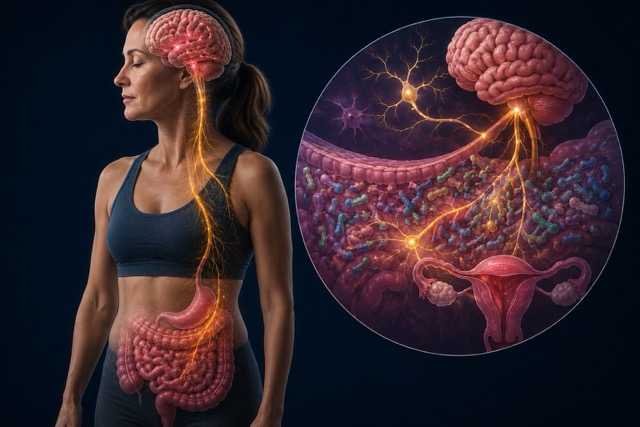
In recent years, the connection between gut health and mental health has gained significant attention from scientists and health enthusiasts alike. Often referred to as the “gut-brain axis,” this intricate relationship highlights how the state of our gut can influence our mood, anxiety levels and overall mental health, as well as several health conditions, including obesity, inflammatory bowel disease, colorectal cancer, diabetes, and cardiovascular disease 1. In this blog, I explore the fascinating link between the gut and mental health, with a focus on how this connection can benefit women during menopause. Additionally, I provide practical tips on cultivating a more diverse microbiota for improved health.
The Gut-Brain Axis: An Overview
The gut-brain axis is a two-way communication system that links the gastrointestinal tract and the brain. This connection involves various pathways, including the nervous system, immune system, and hormonal signals. Here’s a closer look at the key components of this complex relationship:
Vagus Nerve
This nerve acts as a major communication highway between the gut and the brain, transmitting signals that can influence brain function. It plays a crucial role in regulating the parasympathetic nervous system, which is responsible for relaxation and digestion.
Microbiota
The gut is home to trillions of microorganisms, collectively known as the microbiota. These bacteria, viruses, and fungi play crucial roles in digestion, immune function, and even mood regulation. A healthy and diverse microbiota is essential for optimal gut function and overall health.
Neurotransmitters
The gut microbiota can produce neurotransmitters such as serotonin and dopamine, which are essential for regulating functions such as mood, cognition, learning, and memory. In fact, about 90% of the body’s serotonin is produced in the gut2.
Immune System
Gut health significantly affects the immune system, which in turn influences inflammation and can impact mental health conditions like depression and anxiety. A healthy gut helps maintain a balanced immune response, reducing the risk of chronic inflammation.
How Gut Health Impacts Mental Health in Menopausal Women
Menopause brings about significant hormonal changes that can affect both physical and mental health. Microbiota diversity plateaus at around 40 years of age in women 3. In peri and post-menopause, a decrease in sex hormones (oestradiol and progesterone) results in a less diverse gut microbiome compared to women’s pre-menopausal years 4. Maintaining a healthy gut is essential during this transition. Here’s how a healthy gut can benefit women during this transitional phase:
Mood Regulation
Hormonal fluctuations during menopause can lead to mood swings, anxiety, and depression. A balanced gut microbiota can support the production of serotonin, helping stabilise mood and reduce anxiety. A healthy gut can also mitigate the impact of hormonal changes on the brain and, for example, reduce symptoms of brain fog 5,6.
Stress Reduction
Menopausal women often experience heightened stress levels. A healthy gut can help regulate the body’s stress response, making it easier to cope with stress and anxiety. The gut microbiota influences the production of cortisol, the stress hormone, and can help regulate its levels.
Cognitive Support
Cognitive decline is a concern for many women during menopause. Gut health has been linked to cognitive functions such as memory and concentration, potentially reducing the risk of cognitive impairment. By maintaining a healthy gut, women can support their brain health and reduce the risk of conditions like Alzheimer’s disease 7.
Hormonal Balance
The gut microbiota plays a role in metabolising and regulating hormones. A diverse microbiota can help manage hormonal imbalances, alleviating some menopausal symptoms. For example, certain gut bacteria named estrobolome can metabolise oestrogen, affecting its levels in the body.
Practical Tips for a Diverse Microbiota
Cultivating a diverse microbiota is crucial for maintaining both gut and mental health, especially during menopause. Here are some practical tips to enhance your gut flora:
Eat a Variety of Foods
A diverse diet rich in fruits, vegetables, whole grains, and legumes can introduce different types of beneficial bacteria to your gut. Aim for a colourful plate to ensure a range of nutrients.
Incorporate Fermented Foods
Foods like yogurt, kefir, sauerkraut, kimchi, and kombucha are rich in probiotics, which can help boost your gut bacteria. These foods provide live beneficial bacteria that can enhance gut health.
Consume Prebiotics
Prebiotics are non-digestible fibres that feed beneficial gut bacteria. Foods like garlic, onions, leeks, asparagus, and bananas are excellent sources. Including these in your diet can support the growth of healthy bacteria.
Limit Processed Foods
Highly processed foods can negatively impact your gut health. Aim to reduce your intake of sugary snacks, refined grains, and artificial additives. These foods can promote the growth of harmful bacteria and reduce the diversity of your microbiota.
Stay Hydrated
Drinking plenty of water supports the mucosal lining of the intestines and the balance of good bacteria in the gut. Proper hydration is essential for digestion and the overall health of your gut microbiome.
Exercise Regularly
Physical activity can increase gut microbiota diversity and improve gut health. Regular exercise promotes the growth of beneficial bacteria and supports overall gut function.
Manage Stress
Practices like mindfulness, meditation, and yoga can help reduce stress, which in turn supports a healthy gut. Stress management techniques can reduce the negative impact of stress on the gut microbiota.
Avoid Unnecessary Antibiotics
While antibiotics are sometimes necessary, they can also disrupt gut microbiota. Use them only when prescribed by a healthcare professional. Overuse of antibiotics can kill beneficial bacteria and lead to dysbiosis.
Conclusion
The connection between the gut and mental health is a testament to the intricate and holistic nature of our bodies. For women going through menopause, understanding this relationship and taking steps to nurture a diverse and healthy microbiota can significantly improve mental well-being and overall quality of life. Incorporate these practical tips into your daily routine to support both your gut and mind, paving the way for a healthier, happier you.
References
- Xiong, R. G., Li, J., Cheng, J., Zhou, D. D., Wu, S. X., Huang, S. Y., Saimaiti, A., Yang, Z. J., Gan, R. Y., & Li, H. B. (2023). The Role of Gut Microbiota in Anxiety, Depression, and Other Mental Disorders as Well as the Protective Effects of Dietary Components. Nutrients, 15(14), 3258. https://doi.org/10.3390/nu15143258
- Barandouzi, Z. A., Lee, J., Del Carmen Rosas, M., Chen, J., Henderson, W. A., Starkweather, A. R., & Cong, X. S. (2022). Associations of neurotransmitters and the gut microbiome with emotional distress in mixed type of irritable bowel syndrome. Scientific Reports, 12(1), 1648–1648. https://doi.org/10.1038/s41598-022-05756-0
- Peters, B. A., Santoro, N., Kaplan, R. C., & Qi, Q. (2022). Spotlight on the Gut Microbiome in Menopause: Current Insights.International journal of women’s health, 14, 1059–1072. https://doi.org/10.2147/IJWH.S340491
- Yang, M., Wen, S., Zhang, J., Peng, J., Shen, X., & Xu, L. (2022). Systematic Review and Meta-analysis: Changes of Gut Microbiota before and after Menopause.Disease markers, 2022, 3767373. https://doi.org/10.1155/2022/3767373
- Martin, S. E., Kraft, C. S., Ziegler, T. R., Millson, E. C., Rishishwar, L., & Martin, G. S. (2023). The Role of Diet on the Gut Microbiome, Mood and Happiness. medRxiv : the preprint server for health sciences, 2023.03.18.23287442. https://doi.org/10.1101/2023.03.18.23287442
- Appleton J. (2018). The Gut-Brain Axis: Influence of Microbiota on Mood and Mental Health.Integrative medicine (Encinitas, Calif.), 17(4), 28–32.
- Dissanayaka, D. M. S. et al. (2024) The Role of Diet and Gut Microbiota in Alzheimer’s Disease. Nutrients. [Online] 16 (3), 412-.