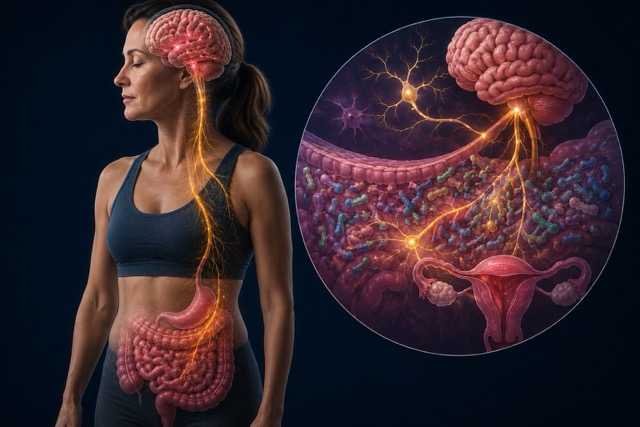
Soy is a controversial topic when it comes to health and hormones. Some claim it’s a superfood with numerous health benefits, while others fear it may disrupt hormone balance—particularly estrogen levels. But what does the science actually say? Let’s break it down into evidence-based facts so you can make informed decisions about including soy in your diet.
What Is Soy and Why the Hormone Controversy?
Soybeans are a legume rich in protein, fibre, and phytonutrients, also called . phytochemicals, or natural compounds found in plants that promote health and protect against disease. Soybeans are commonly found in foods like:
- Tofu, tempeh, and edamame.
- Soy milk and soy yoghurt.
- Soy protein powders and meat substitutes.
The hormone debate around soy comes from its isoflavones—natural plant compounds classified as phytoestrogens. These compounds have a chemical structure similar to estrogen, which has led to concerns that soy may mimic or disrupt natural hormone activity in the body.
How Do Soy Isoflavones Affect Hormones?
-
Soy and Estrogen
Soy’s phytoestrogens can bind to estrogen receptors in the body. However, they have a much weaker effect compared to the body’s natural estrogen.
- In premenopausal women with higher natural estrogen levels, soy isoflavones may have a mild anti-estrogen effect by blocking stronger estrogen from binding to receptors.
- In postmenopausal women, where estrogen levels are lower, soy may have a mild estrogen-like effect, potentially helping to reduce symptoms like hot flashes.
What the science says:
- No significant impact on estrogen dominance: Research shows that moderate soy consumption does not raise estrogen levels in healthy women or men.
- No link to increased breast cancer risk: A 2019 meta-analysis of over 300,000 women found that soy consumption was associated with a reduced risk of breast cancer, particularly in Asian populations where soy intake is higher.
- In men, soy does not lower testosterone: Multiple studies confirm that soy consumption does not affect testosterone levels or fertility in men.
2. Soy and Thyroid Function
There has been speculation that soy may interfere with thyroid hormones by reducing the absorption of iodine.
- Research shows that in healthy individuals with normal thyroid function, moderate soy intake does not impair thyroid activity.
- Who should be cautious? People with hypothyroidism may want to avoid consuming large quantities of soy alongside their thyroid medication, as it could slightly reduce medication absorption.
Practical tip:
If you have hypothyroidism, consider taking your thyroid medication on an empty stomach and wait a few hours before consuming soy.
3. Soy and Men’s Hormones: Does It Lower Testosterone?
A common myth is that soy consumption lowers testosterone and causes feminising effects in men. However, scientific evidence doesn’t support this claim.
- Large-scale meta-analyses (2010 and 2021) concluded that soy consumption has no impact on testosterone or male fertility.
- One study examined men consuming up to 70g of soy protein daily (equivalent to over 10 servings of tofu) and still found no change in testosterone levels.
– Moderate soy consumption does not lower testosterone or affect male hormone health.
4. Soy and Menstrual Health
Some women worry that soy may disrupt menstrual cycles due to its phytoestrogen content. However, studies suggest the opposite:
- Soy may actually support menstrual health by promoting more regular cycles.
- In one study, women who consumed two servings of soy daily reported fewer PMS symptoms and milder menstrual cramps, thanks to soy’s mild estrogenic effects.
- Soy may also offer relief from hot flashes and other menopausal symptoms due to its mild estrogen-mimicking effects.
Takeaway: Soy can be a helpful addition to a balanced diet, particularly for women experiencing hormonal changes during menopause.
5. Soy and Weight Management
Soy protein is a high-quality, plant-based protein that can support weight management.
- Appetite control: Soy protein may increase feelings of fullness and reduce overall calorie intake.
- Metabolic health: Some research indicates that soy protein can improve insulin sensitivity and lower LDL cholesterol levels (the bad type), promoting better metabolic health.
Some ways to include soy in your diet:
- Tofu or tempeh stir-fry with vegetables.
- Edamame is a protein-packed snack.
- Unsweetened soy milk as a dairy alternative.
Soy Myths vs. Facts
Myth: Soy raises estrogen levels and increases breast cancer risk.
Fact: Studies show that moderate soy consumption is linked to a reduced risk of breast cancer and has no negative impact on hormone balance.
Myth: Men should avoid soy because it lowers testosterone.
Fact: Soy does not reduce testosterone or impair male fertility.
Myth: Soy causes thyroid issues.
Fact: Moderate soy consumption does not impact thyroid function in healthy individuals.
Myth: All soy products are highly processed and unhealthy.
Fact: Whole-food soy products (like tofu, tempeh, and edamame) are nutrient-dense and healthy.
Conclusion
Based on current research, moderate soy consumption is safe and offers a variety of health benefits.
- For women: Soy may help with menstrual regularity, PMS, and menopausal symptoms.
- For men: Soy does not negatively impact testosterone or fertility.
- For overall health: Soy is a nutritious, heart-healthy protein source that can support weight management and metabolic health.
How much is safe?
- 1-3 servings of soy per day is considered safe and beneficial for most people.
- Examples of one serving:
- ½ cup tofu or tempeh.
- 1 cup soy milk.
- ½ cup cooked edamame.
Key Takeaway: Soy Is a Healthy and Hormone-Safe Food
Despite the myths, science shows that soy is safe and offers several health benefits when consumed in moderation.
- It does not disrupt hormone balance.
- It may reduce the risk of breast cancer.
- It does not lower testosterone in men.
- It can support heart health and weight management.
Incorporate whole soy foods into your diet with confidence, knowing they are both delicious and beneficial for your overall well-being.
References:
1- Messina, M. (2016). “Soy and Health Update: Evaluation of the Clinical and Epidemiologic Literature”. Nutrients, 8(12), 754.
2-Zhang, F. F., Haslam, D. E., Terry, M. B., et al. (2019). “Dietary isoflavone intake and breast cancer risk by estrogen and progesterone receptor status”. Clinical Nutrition, 38(2), 541-550.
3-Hamilton-Reeves, J. M., Vazquez, G., Duval, S. J., et al. (2010). “Clinical studies show no effects of soy protein or isoflavones on reproductive hormones in men: a meta-analysis”. Fertility and Sterility, 94(3), 997-1007.
4-Messina, M., & Redmond, G. (2006). “Effects of soy protein and soybean isoflavones on thyroid function in healthy adults and hypothyroid patients: a review of the relevant literature”. Thyroid, 16(3), 249-258.
5-Sathyapalan, T., & Thatcher, N. J. (2011). “Soy isoflavones improve cardiovascular disease risk markers in women with subclinical hypothyroidism”. Journal of Clinical Endocrinology & Metabolism, 96(5), 1442-1449.
6-Reed, K. E., Camargo, J. L., Hamilton-Reeves, J. M., et al. (2021). “Soy and soy isoflavones influence on male reproductive hormones: A meta-analysis of randomized controlled trials”. Reproductive Toxicology, 100, 60-71.
7-Taku, K., Melby, M. K., Kronenberg, F., et al. (2012). “Extracted or synthesized soy isoflavones reduce menopausal hot flash frequency and severity: systematic review and meta-analysis of randomized controlled trials”. Menopause, 19(7), 776-790.
→
8-Douglas, S. M., Lasley, T. R., & Leidy, H. J. (2015). “Consuming protein-rich snacks increases satiety and reduces subsequent eating in healthy women”. Appetite, 92, 136-142.
Conclusion
These references support the scientific accuracy of the blog, showing that moderate soy consumption is safe and even beneficial for hormone health, weight management, and overall well-being. 🌿✨