Menopause Nutrition | Metabolic Health | Women Over 40
GLP-1 medications are the most effective pharmacological weight loss tools ever developed. The evidence for that is not in question.
What is less discussed is this: the lean mass loss that occurs during GLP-1 treatment is not caused by the medication directly. It is caused by the profound appetite suppression these medications can produce, which makes it difficult to eat enough protein and maintain the resistance training needed to protect muscle mass. The lean mass loss seen on GLP-1 medications is broadly comparable to that seen with other forms of significant caloric restriction. The difference is that when taking the medication, obsessive food thoughts typically stop, making adherence easier. This is because it suppresses appetite to a level (depending on the dosage) that eating adequate protein becomes a daily clinical challenge.
For women over 40, whose muscle mass is already under pressure from declining oestrogen, that challenge may have consequences that go well beyond the number on the scale.
This post is about the considerations, what the evidence shows, and what needs to be in place if you are going to use these medications well.
GLP-1 medications have a legitimate place
GLP-1 receptor agonists, including semaglutide (sold as Wegovy and Ozempic), tirzepatide (Mounjaro), and liraglutide, have a genuine and well-evidenced role in the treatment of obesity and type 2 diabetes where excess weight has caused or is causing significant metabolic disease. For those patients, the benefits are real, and the evidence base is strong.
Randomised controlled trials establishing the evidence base for GLP-1 medications for weight loss included people with a BMI over 30, obesity-related health conditions, or type 2 diabetes. The UK medicines regulator, the MHRA, states explicitly that it has not assessed the safety and effectiveness of these medicines when used by people who do not meet those clinical criteria.
It is also worth acknowledging that the amount of weight someone wants to lose is not, by itself, a reliable indicator of whether they need this medication or carry genuine metabolic risk. Without a full body composition assessment, it is not possible to know whether someone wanting to lose five to ten kilograms has a high body fat percentage and real metabolic risk factors, or whether they are pursuing an aesthetic goal from an already healthy metabolic baseline. The clinical picture requires more than a number on a scale or a target weight in mind.
What is happening in practice is that online prescribing platforms, private clinics and social media have created a pathway to GLP-1 medications for women who want to lose a small amount of weight for aesthetic reasons, often without the full clinical assessment that would determine whether the medication is genuinely appropriate. Using a powerful metabolic intervention with an incompletely understood long-term risk profile in a population the clinical trials never studied is not a risk-benefit calculation that holds up without that context.
The conversation needs more nuance
Many women are turning to GLP-1 medications because years of dieting have not produced lasting results. While these medications can be effective for weight loss, they do not replace the foundations of health. Protein intake, resistance training, fibre, sleep and sustainable eating habits remain essential. In fact, these foundations become even more important during treatment because the medication itself can make adequate nutrition more difficult.
Whether a woman chooses to use a GLP-1 medication or not, the biology of healthy ageing remains the same. Muscle protects metabolism. Protein supports muscle. Fibre supports the gut microbiome and metabolic health. Resistance training preserves strength, bone density and physical independence. These are not optional extras. They are the foundations that determine what kind of health a woman carries into her 60s, 70s and beyond.
GLP-1 medications can offer meaningful benefits beyond changes on the scale. Improvements in blood sugar regulation, insulin sensitivity, mobility, blood pressure and obesity-related health conditions are well documented. Many patients also describe a significant reduction in “food noise”, intrusive thoughts about food and constant hunger that years of dieting never resolved.
Some of these benefits are consequences of weight loss itself. Others appear to relate to the direct metabolic and appetite-regulating effects of the medications. The purpose of this article is not to argue against GLP-1 medications. It is to highlight that successful treatment requires more than a prescription. The medication may support weight loss, but nutritional and lifestyle support help determine the quality of that weight loss and the long-term health outcomes that follow.
What the research shows about lean mass loss
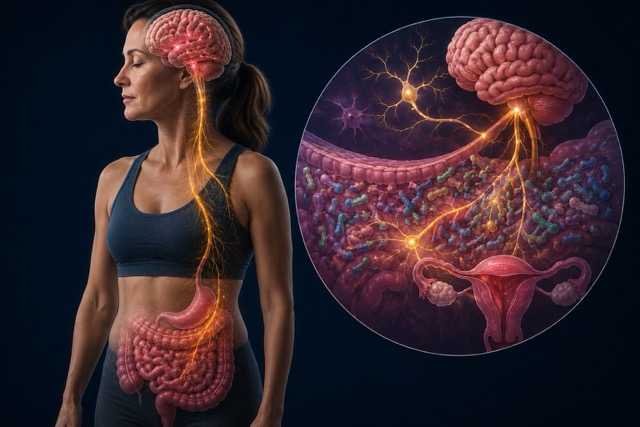
GLP-1 medications work by mimicking a natural hormone released after eating. They suppress appetite, slow gastric emptying and create a sustained sense of satiety. The result is that people eat considerably less. The weight loss is real.
But weight loss is not the same as fat loss.
A 2024 systematic review and network meta-analysis of 22 randomised controlled trials involving 2,258 participants found that approximately 25% of total weight lost on GLP-1 receptor agonists is lean body mass rather than fat. Lean body mass includes skeletal muscle, bone, organs, body water and connective tissue, so we cannot say people lose 25% of muscle mass. That would not be accurate.
Importantly, lean mass loss is not unique to GLP-1 medications. Whenever significant weight loss occurs, whether through calorie restriction, bariatric surgery, illness or medication-assisted weight loss, some lean tissue is typically lost alongside fat. Research consistently shows that the greatest predictors of lean mass preservation during weight loss are adequate protein intake and resistance training.
The concern with GLP-1 medications is not that they directly create a unique muscle-wasting effect. The concern is that profound appetite suppression can make adequate protein intake and consistent resistance training substantially harder to maintain, increasing the risk of lean mass loss if these protective strategies are not actively prioritised.
Why this matters more for women over 40
For a woman in her 40s or 50s, this is not a minor concern. It is a direct collision with the most critical biological window of her adult life.
Women can lose between three and eight per cent of muscle mass per decade from their 30s onward, with the rate accelerating significantly around menopause. Declining oestrogen reduces the anabolic signalling that once helped women maintain muscle relatively easily. The window to build and preserve lean mass needs to be capitalised on.
Into that window, GLP-1 medications introduce a mechanism that makes protecting lean mass significantly harder. The appetite suppression that makes the medication effective is the same mechanism that makes eating adequate protein so difficult. For a woman already navigating the muscle and bone consequences of the menopause transition, this requires a clear and deliberate nutritional strategy and exercise routine from the start of treatment.
Without that strategy, the lean mass lost during a course of GLP-1 treatment is lean mass that a midlife woman cannot easily recover. And it is lean mass that determines metabolic rate, bone density, physical independence and long-term health trajectory.
Side effects worth knowing about
Like all medications, GLP-1 receptor agonists can cause side effects. The most common include nausea, vomiting, diarrhoea, constipation, abdominal discomfort and reduced appetite. These symptoms are often most noticeable during dose escalation and improve over time, although some individuals find them difficult to tolerate.
More serious adverse effects are less common but can occur, which is why these medications should always be used under medical supervision.
What happens when you stop
This is the part of the conversation that needs more nuance in public discussion.
GLP-1 medications suppress appetite and enhance satiety signalling while treatment continues. When the medication stops, those effects diminish and natural hunger signals return. For many people, appetite increases significantly after discontinuation, particularly if little attention was paid to building sustainable eating habits, protecting lean mass and maintaining resistance training during treatment.
Weight regain after stopping GLP-1 medications is common, but this is not unique to these drugs. Long-term studies of conventional dieting, behavioural weight-loss programmes and even bariatric surgery show that maintaining weight loss is challenging regardless of how the weight loss was initially achieved.
This is not simply a question of willpower. Weight loss triggers biological adaptations designed to restore body weight, including increases in hunger signals, reductions in satiety hormones and decreases in energy expenditure. GLP-1 medications help suppress these responses while treatment continues, but when treatment stops, those biological pressures re-emerge.
Weight regain after discontinuation is often substantial (up to 60% within a year of discontinuation). Although the amount varies considerably between individuals. If adequate protein intake and resistance training were not prioritised during treatment, lean mass loss may leave the person with a lower metabolic rate and poorer body composition than before treatment began.
The question is not simply whether weight returns. The more important question is what habits, muscle mass and metabolic resilience were built during treatment to improve the chances of maintaining health long term.
The implicit reality of this cycle is that most people have to remain on these medications long term in order to maintain the weight loss achieved. Science has not yet fully established the long-term consequences for bone health, muscle health, gut microbiome and other systems. Liraglutide has sixteen years of data. Semaglutide for weight management entered the market in 2021. Long-term data on what sustained use means for a woman who starts in her mid-40s and takes it for a decade does not yet exist.
What needs to be in place if you are using these medications
This is the most important section of this post.
If you are currently on semaglutide, tirzepatide or another GLP-1 medication, the lean mass loss that characterises significant caloric restriction on these medications is not inevitable. It can be meaningfully mitigated. But it requires active, deliberate intervention because the medication itself makes the protective strategies harder to implement.
Working with a nutritionist or qualified practitioner who understands both the biology of midlife women and the specific challenges of GLP-1 use is the most effective approach. But whether or not you have that support, three things are non-negotiable.
Protein at every meal
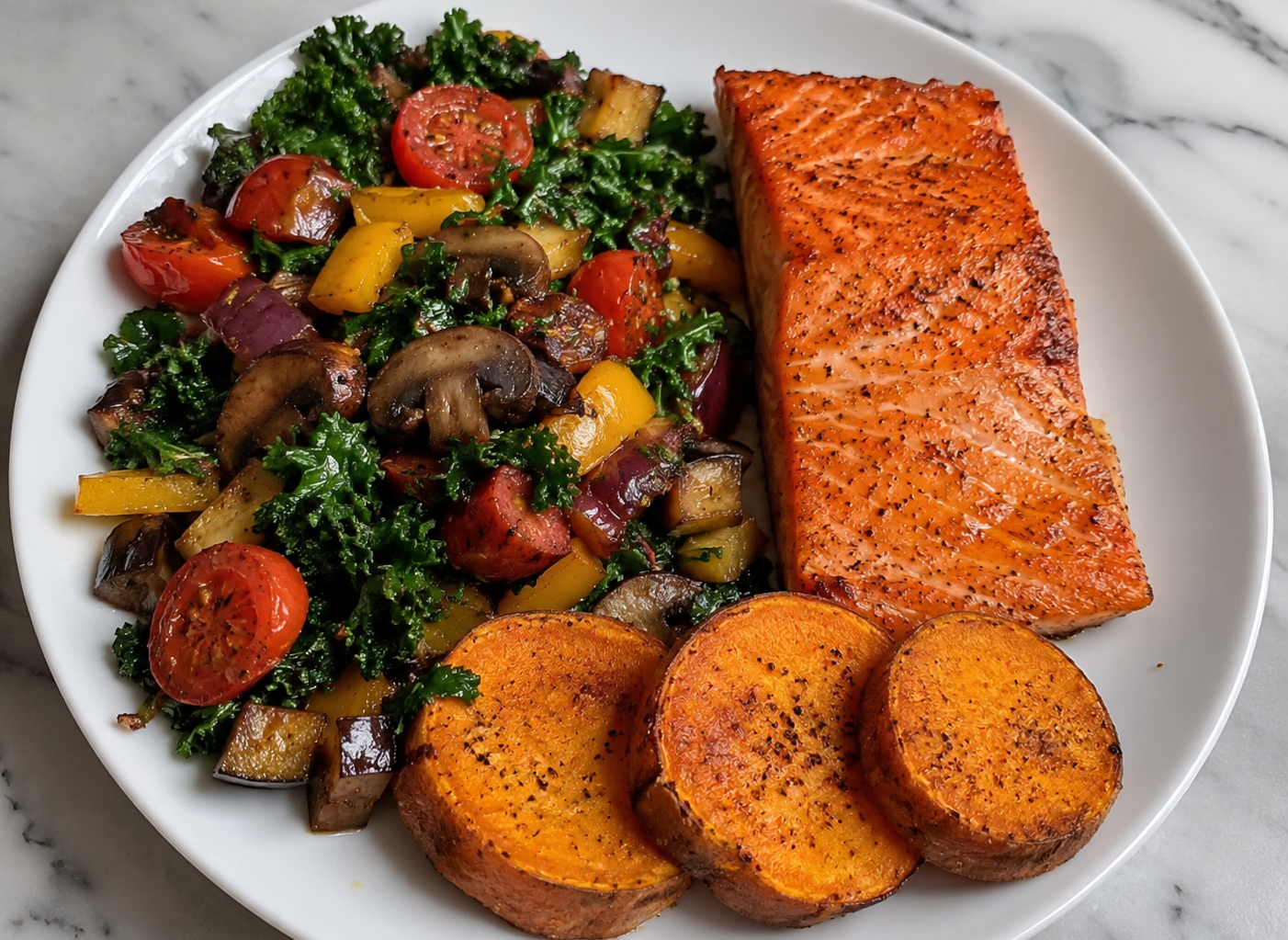
At least 30 grams of protein per meal is the target, and at breakfast specifically, aiming for 40 to 50 grams is worth the effort because muscle tissue is particularly responsive to protein after an overnight fast. On GLP-1 medications, reduced appetite can make this challenging, which is why prioritising protein-dense foods becomes so important. Foods such as eggs, Greek yoghurt, cottage cheese, smoked salmon and chicken provide substantial amounts of protein without requiring very large meals. Protein needs to come first at every meal, before less nutrient-dense foods.
Resistance training throughout treatment
Muscle is preserved through mechanical stimulus. Even when energy is low and motivation is reduced, maintaining resistance training is not optional. Three sessions per week is enough. The training protects the lean mass that the caloric restriction is threatening.
Body composition monitoring
A DEXA scan before starting treatment gives you a baseline. Monitoring during treatment gives you data on whether lean mass is being preserved. Weight on a scale tells you nothing useful about body composition. You deserve to know what is actually happening inside your body, not just what you weigh.
The critical window argument
Your 40s and 50s are the most important decades for building the health of your later decades. The choices made during this window, nutritionally, physically and hormonally, compound over decades in both directions.
A woman who uses this window to build lean muscle mass, protect her bone density, support her metabolic health through the Triple 30s Foundation and develop the nutritional habits that will carry her into her 70s and 80s strong and independent is making a different set of deposits than a woman who loses weight rapidly without the nutritional structure to protect what matters most.
GLP-1 medications can be a powerful tool. But a tool used without the right support produces a different outcome than a tool used with full understanding of what it requires. Your 80s are being built right now. Make sure the approach you are using is building them well.
What the evidence-based nutritional foundation looks like
For women in midlife who want to improve their body composition, metabolic health and long-term vitality, with or without GLP-1 medications, the nutritional foundation is largely similar.
Thirty grams of protein per meal stabilises blood sugar, preserves and builds lean muscle, and creates the satiety that GLP-1 medications are trying to replicate pharmacologically. Daily fibre of thirty grams, which feeds the gut microbiome, supports oestrogen metabolism and reduces systemic inflammation. For GLP-1 users it also helps counteract the medication’s induced constipation by keeping digestion moving. Plant diversity across thirty different foods per week drives the microbiome diversity that underpins metabolic resilience, mood and cognitive clarity.
Combined with progressive resistance training, this approach produces meaningful changes in body composition whether you are on a GLP-1 medication or not. If you are on one, it protects the lean mass the caloric restriction is threatening. If you are not, it is the foundation that builds the health your future self will live in.
Frequently Asked Questions About GLP-1 Medications and Women Over 40
Do Ozempic and Wegovy cause muscle loss?
GLP-1 medications do not directly cause muscle breakdown. The lean mass loss associated with their use is driven by the profound appetite suppression they produce, which makes consuming adequate protein extremely difficult, combined with the reduced energy available for resistance training. The proportion of lean mass lost, approximately 25% of total weight lost, is broadly comparable to other caloric restriction diets. What distinguishes GLP-1 use is the degree of appetite suppression that makes the protective strategies harder, but not impossible, to implement.
Is semaglutide safe for women over 40?
Semaglutide is licensed for use in people with obesity or obesity-related health conditions. The clinical trials establishing its safety profile included predominantly people with a BMI over 30 or type 2 diabetes. For women in midlife specifically, the impact on lean mass during a stage of life when muscle preservation is critical warrants careful nutritional support alongside any treatment. Body composition assessment before and during treatment is strongly advisable.
Can you prevent muscle loss on GLP-1 medications?
Lean mass loss can be meaningfully reduced with active intervention. The two most important strategies are eating at least 30 grams of protein at main meals, even when appetite is suppressed, and maintaining structured resistance training throughout treatment. Working with a nutritionist who understands the specific challenges of GLP-1 use gives you the best chance of protecting lean mass while achieving the weight loss the medication supports.
What happens when you stop Ozempic?
When semaglutide is stopped, appetite suppression ends and natural hunger hormones rebound. Weight regain after discontinuation is common, although the amount varies considerably between individuals. If adequate protein intake and strength training were not prioritised during treatment, muscle mass loss may contribute to poorer body composition and a reduced metabolic rate. This is why building sustainable nutritional and exercise habits during treatment matters just as much as the weight loss itself.
Should women over 40 take semaglutide?
For women with clinically significant obesity and obesity-related metabolic disease who have not achieved adequate results through diet and lifestyle changes, GLP-1 medications have a legitimate and evidence-based role. For any woman considering these medications, a full body composition assessment before starting, and nutritional support throughout treatment is recommended. The medication is a tool. What you do alongside it determines the outcome.
Disclaimer: This article is for informational purposes only and does not constitute medical advice. GLP-1 medications are prescription-only and should only be used under the supervision of a qualified healthcare professional. If you are considering these medications or are currently taking them, please consult your doctor or a registered clinician before making any changes to your treatment or nutrition plan. Individual health circumstances vary and nothing in this article should replace personalised medical guidance.
White Space Nutrition is run by Daiana Primon, BSc (Hons) Nutrition, MSc Women’s Health (UCL)
References
Karakasis, P., Patoulias, D., Fragakis, N. & Mantzoros, C.S. (2024). Effect of glucagon-like peptide-1 receptor agonists and co-agonists on body composition: Systematic review and network meta-analysis. Metabolism, 156113. https://doi.org/10.1016/j.metabol.2024.156113
MHRA (2024). Glucagon-like peptide-1 receptor agonists (GLP-1s): patient information. Medicines and Healthcare Products Regulatory Agency, UK. https://www.gov.uk/guidance/glp-1-receptor-agonists
FDA (2017). Ozempic (semaglutide) injection: full prescribing information. Novo Nordisk Inc. https://www.accessdata.fda.gov/drugsatfda_docs/label/2017/209637lbl.pdf
Wilding, J.P.H. et al. (2021). Once-weekly semaglutide in adults with overweight or obesity. New England Journal of Medicine, 384, 989-1002. https://www.nejm.org/doi/full/10.1056/NEJMoa2032183
Budini, B., Luo, S., Tam, M., Stead, I., Lee, A., Akrami, A., Vidal-Puig, A., & Park, A. (2026). Trajectory of weight regain after cessation of GLP-1 receptor agonists: a systematic review and nonlinear meta-regression. eClinicalMedicine. https://www.thelancet.com/journals/eclinm/article/PIIS2589-5370(26)00043-X/fulltext
Tzang, C., Wu, P., Luo, C., Chen, Z., Lee, Y., Huang, E., Kang, Y., Lin, W., Tzang, B., & Hsu, T. (2025). Metabolic rebound after GLP-1 receptor agonist discontinuation: a systematic review and meta-analysis. eClinicalMedicine, 90. https://pmc.ncbi.nlm.nih.gov/articles/PMC12702299/